
By:William Ward 12/25/2025
The airline industry is unlike any other — from strict federal regulations to complex global economics. Before buying airline stocks, understand the key factors that influence profitability, including regulations, fuel costs, labor relations, and shifting passenger demand. This 30,000-foot view will help you make smarter, more informed investment decisions.
Source: Pexels Airline Images https://images.pexels.com/photos/46148/aircraft-jet-landing-cloud-46148.jpeg
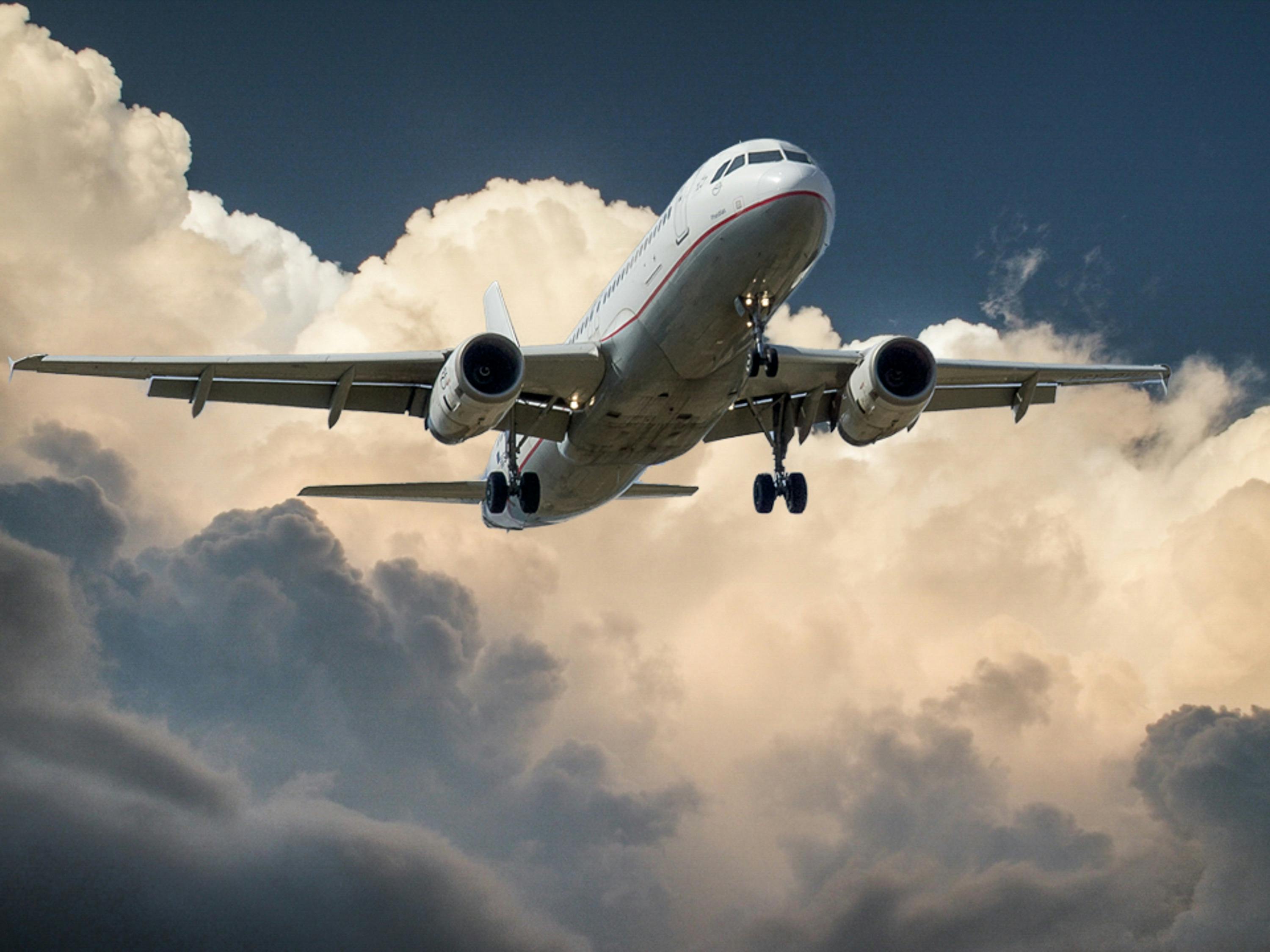
A 30,000-Foot View: What to Know Before Investing in Airlines
Before you log onto a brokerage site and spot a promising buy signal on a chart, it’s crucial to understand that the airline industry is unlike any other. Beneath the surface, factors and complexities go far beyond what you see on a ticker or a stock chart.
Regulatory Landscape
Domestically, the Federal Aviation Administration (FAA) governs safety, aircraft certification, and maintenance, while the Department of Transportation (DOT) oversees business and passenger rights. Internationally, airlines coordinate with organizations like the International Civil Aviation Organization (ICAO) and the Civil Aviation Authority (CAA). Before the airline industry was deregulated in 1978, the Civil Aeronautics Board controlled fares and route decisions, requiring airlines to submit monthly plans for fare and rule changes. Deregulation changed the game by removing two key controls: airfare pricing and the destinations airlines can serve.
Key Business and Economic Factors
While entire books have been written about airline economics, here are the essential highlights every investor should know:
- Macro-Economic Conditions: Tourism can suffer during recessions, but business travel tends to be more resilient. Monitoring cash burn is essential—especially when cargo and passenger traffic are slow.
- Commodity Inflation: Aircraft and their parts rely on multiple grades of aluminum, rare earth elements, and lithium. Oil prices, particularly kerosene, have a major impact—a single cent increase can cost the industry hundreds of millions. Disruptions in any commodity supply chain are a serious concern.
- Local Costs: Each airport comes with its own expenses—gate rentals, landing fees, terminal rentals, and local labor regulations. Some locations also have strict noise and operational rules that add to costs.
- Fleet Costs: Some airlines operate a single aircraft type, while others manage several. Multiple aircraft types allow airlines to optimize for different routes but require more specialized pilots, maintenance staff, and parts inventory. Operating just one model can save money, but if the FAA grounds that model, the airline could be crippled. A diversified fleet helps mitigate that risk.
- Business Mix and Seasonality: The industry relies heavily on business travelers, while vacation travel peaks in the third quarter. Historically, airlines have been considered a third-quarter investment. In recent years, cargo has grown into a vital revenue stream.
- Debt and Financing: Airplanes are expensive, but they often retain value better than cars. Airlines typically have higher debt-to-equity ratios. Interest rate changes can affect bond prices, and bonds are a common way for airlines to finance new capital purchases.
- Dynamic Pricing: Airline ticket prices are set by sophisticated computer models. Travelers who book early, especially for leisure travel, often secure the best deals. Last-minute business travelers typically pay more, helping airlines recover costs. Fares are adjusted in real time based on bookings and expected demand.
- Performance Metrics: Key measures of airline success include load factors (percentage of seats filled) and market share (percentage of passengers carried between specific city pairs). For example, an airline might hold a 30% market share on the Boston-to-New York route. These numbers are vital, though sometimes challenging to find.
- Labor Relations: Airlines are highly labor-intensive, employing counter staff, flight attendants, pilots, mechanics, dispatchers, reservationists, back-office teams, and more. Many employees are unionized, and prolonged contract negotiations can be a red flag. If a contract expires and negotiations drag on, the eventual settlement could require the airline to pay significant back wages in a single payment, straining cash flow.
- Pandemics and Major Shocks: Events like the COVID-19 pandemic have shown how quickly demand for air travel can evaporate. Even when planes are grounded, airlines still face massive, fixed costs for gates, infrastructure, debt, and labor.
https://img.freepik.com/premium-photo/model-airplane-rests-various-financial-charts-graphs-symbolizing-intersection-aviation-economic-analysis_95891-39656.jpgSource: Freepik Aviation Economics Illustration

Final Thoughts: Do Your Homework
As with any investment, do your research and consult a financial advisor to ensure the risks align with your tolerance for risk and financial goals. The goal here is to give you a 30,000-foot view of the factors that influence airline investment, which don’t show up on a stock chart. Study analyst reports before making any long-term commitments. Remember, airline investment involves more than just passenger numbers; cargo is a growing driver of profits. The industry can be rewarding for informed investors, but success starts with doing your homework.